It is unusual today for a country to train such a large share of its male population for military service. Many states rely primarily on smaller professional volunteer forces, because mass training requires political consensus, long-term funding, and a culture willing to tie citizenship to defence obligations.
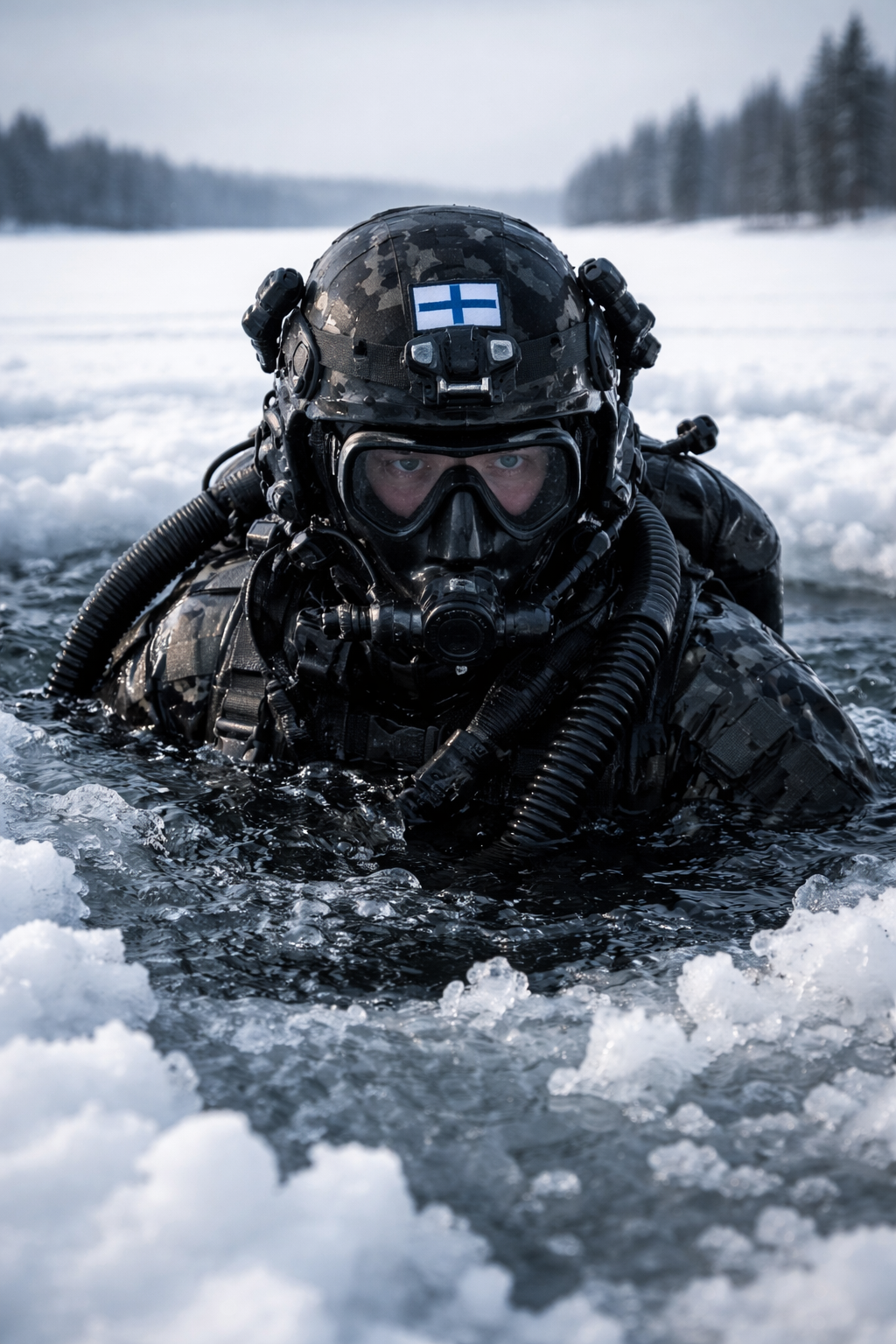
Finland has chosen a different path. With a relatively small population, a long border with Russia, and a defence model built around territorial resilience, it has judged that broad reserve training gives it depth that a small standing force alone could not provide.
Official Finnish guidance describes defence capability as resting on general conscription, a trained reserve, and a strong will to defend the country. The result is not a permanent warrior class in the old hereditary sense, but a society that keeps martial capability widely distributed.